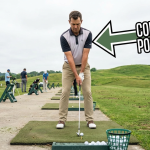
Pressure putts in golf can feel heavier than any drive you hit all day. The hole looks smaller. Your hands feel tighter. Suddenly, a three-foot putt seems like a mile.
If you’re a beginner, you’ve likely felt it. Your heart beats faster. Your mind races. You know it’s “just a putt,” yet it feels like everything depends on it.
The truth is simple: pressure is part of the game. However, how you respond to it determines your results. While mechanics matter, mental control often decides whether the ball drops or lips out.
The good news? Handling pressure putts in golf is a skill you can build. With the right habits, you can turn anxiety into focus and tension into rhythm.
Let’s break it down step by step.
Why Pressure Putts in Golf Feel So Intense
Putting already requires precision. When pressure enters, precision feels fragile.
Under stress, your body reacts automatically. Adrenaline increases. Muscles tighten. Breathing becomes shallow. Consequently, your stroke loses smoothness.
Because beginners are still building confidence, pressure amplifies doubt. Thoughts like “Don’t miss” replace clear intention.
However, understanding this reaction helps you manage it. Pressure is not the enemy. It is simply energy. When directed properly, that energy sharpens focus.
Pressure putts in golf only feel overwhelming when you resist the feeling. When you accept it, control improves.
Reframing Pressure Before the Putt
Instead of viewing pressure as danger, treat it as importance.
Your body reacts because the moment matters. That response shows you care. Therefore, reframe nerves as readiness.
Say to yourself, “This feeling means I’m engaged.”
Because mindset shapes reaction, reframing reduces fear.
Pressure putts in golf become opportunities rather than threats.
With repetition, this shift becomes natural.
Breathing Techniques to Calm Pressure Putts in Golf
Breathing is your fastest reset tool.
When stress rises, breathing shortens. As a result, tension spreads through your hands and forearms.
Before addressing the ball:
Inhale slowly for four seconds.
Hold briefly.
Exhale gently for six seconds.
Longer exhales activate relaxation.
Because your body calms first, your stroke follows.
Make breathing part of every putting routine, not only high-pressure moments.
Consistency builds stability.
Creating a Reliable Pre-Putt Routine
Routine eliminates randomness.
When you follow the same steps every time, your brain recognizes familiarity. Familiarity reduces anxiety.
Your routine might include:
Reading the putt from behind the ball.
Visualizing the ball rolling into the cup.
Taking one practice stroke.
Breathing slowly before stepping in.
Because repetition builds trust, confidence increases.
Pressure putts in golf feel manageable when your process stays consistent.
Trust your preparation.
Focusing on Speed, Not Outcome
Many beginners fixate on the result. They think about making or missing.
However, thinking about outcomes increases tension.
Instead, focus on speed control.
Tell yourself, “Roll it with the right pace.”
Because speed influences distance more than line on short putts, controlling pace improves results naturally.
Pressure putts in golf become simpler when you narrow attention to one controllable factor.
Keep it simple.
Short Putts vs Long Putts Under Pressure
Short putts create fear of embarrassment. Long putts create fear of leaving the ball short.
Different distances require different mental approaches.
For short putts:
Focus on commitment.
Trust your read.
Accelerate smoothly through impact.
For long putts:
Visualize distance clearly.
Prioritize pace over perfection.
Because pressure magnifies small doubts, clarity becomes crucial.
Pressure putts in golf feel less intimidating when your objective is clear.
Training for Pressure on the Practice Green
Practice must simulate stress.
Instead of casually rolling balls, create challenges.
For example:
Make five three-foot putts in a row before leaving.
Restart the count if you miss.
This introduces mild pressure.
Additionally, compete with friends or track practice scores.
Because exposure reduces fear, controlled stress builds resilience.
Pressure putts in golf feel familiar when rehearsed intentionally.
Managing Negative Self-Talk
Internal dialogue shapes performance.
If you think, “I always miss these,” confidence drops immediately.
Replace negative thoughts with neutral cues.
Say, “Smooth stroke” or “Good pace.”
Because language influences belief, positive cues stabilize focus.
Pressure putts in golf require constructive internal conversation.
Guard your thoughts carefully.
Body Language and Confidence
Your posture affects mindset.
Stand tall. Keep shoulders relaxed. Maintain steady breathing.
Confident body language signals control to your brain.
Additionally, avoid rushing.
Walk calmly to your ball. Take your time reading the putt.
Deliberate movement reduces panic.
Pressure putts in golf become manageable when body and mind align.
Accepting the Possibility of Missing
Ironically, fear of missing increases chances of missing.
Accept that no golfer makes every putt.
When you accept imperfection, tension decreases.
Pressure putts in golf improve when outcome attachment loosens.
Commit fully, then release expectation.
Freedom improves execution.
Visualizing Success Before Contact
Visualization strengthens belief.
Picture the ball tracking along your intended line. See it dropping confidently.
Clear imagery directs attention toward success rather than avoidance.
Because the brain responds strongly to images, mental rehearsal improves consistency.
Pressure putts in golf feel less intimidating when success is vividly imagined.
Developing Emotional Resilience After Misses
Even with preparation, misses will occur.
Your reaction determines future confidence.
Avoid visible frustration. Instead, nod slightly and move forward.
Pressure situations repeat often. One miss does not define your ability.
Emotional resilience strengthens long-term putting performance.
Building Confidence Over Time
Confidence grows through repetition.
Track small wins. Celebrate good decisions, not only made putts.
For example, acknowledge solid reads or smooth strokes.
Pressure putts in golf become less stressful as positive experiences accumulate.
Consistency creates belief.
Understanding That Pressure Is a Privilege
Only meaningful rounds create pressure.
If you feel nervous, it means the moment matters.
Embrace that significance.
Pressure signals growth opportunities.
With perspective, anxiety transforms into focus.
Combining Technique with Mental Discipline
While mindset is crucial, basic technique still matters.
Ensure grip pressure remains light. Keep wrists quiet. Maintain steady tempo.
Under pressure, fundamentals simplify performance.
Pressure putts in golf succeed when mechanics and mindset align.
Preparation builds trust.
Conclusion: Turn Pressure into Opportunity
Pressure putts in golf will always exist. However, they do not have to control you.
By breathing deliberately, following a consistent routine, focusing on pace, and reframing nerves as readiness, beginners can transform stressful moments into confident ones.
Misses may happen. Yet resilience matters more than perfection.
With practice, exposure, and steady mindset development, pressure becomes familiar rather than frightening.
Stay calm. Trust your stroke. Let pressure sharpen your focus instead of shaking your confidence.
FAQ
- Why do pressure putts feel harder than normal putts?
Pressure increases tension and alters breathing, which affects stroke smoothness and confidence. - How can beginners calm nerves before putting?
Use slow breathing, follow a consistent routine, and focus on pace instead of outcome. - Should I practice pressure situations?
Yes. Simulating pressure during practice builds familiarity and emotional resilience. - What is the biggest mistake beginners make on short putts?
Rushing the stroke due to fear of missing often leads to deceleration and poor contact. - Can visualization really improve putting under pressure?
Yes. Clear mental imagery strengthens confidence and directs focus toward success.