Introduction to Golf Driving
So, you’ve picked up a driver and you’re ready to launch the ball down the fairway? Hold on! Before you swing, remember this: golf driving for beginners is not just about power. It’s about balance, technique, and consistency. With the right fundamentals, any beginner can hit straighter, longer drives.
Why Driving is Crucial in Golf
Your drive sets the tone for the hole. A solid tee shot puts you in a great position to make par (or better). But a poor drive? Well, you might find yourself in the rough or digging through trees. No pressure, right?
Common Beginner Struggles Off the Tee
If you’re slicing the ball into the woods or topping it a few feet in front of you, don’t worry—you’re not alone. Every beginner goes through it. Let’s break things down and make driving feel natural.
Mastering the Golf Stance
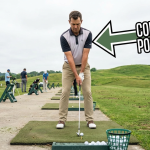
Your stance is your foundation. Think of it like building a house—you don’t start with the roof, you lay the groundwork first.
Proper Foot Positioning
Stand with your feet shoulder-width apart. This gives you balance and mobility. Point your lead foot slightly outward—this helps with hip rotation.
Balancing Weight for Power and Control
Distribute your weight evenly between both feet, slightly favoring the balls of your feet. As you swing, your weight should shift from back to front, powering your motion.
Understanding Grip Techniques
Your grip connects you to the club—it’s your lifeline. A bad grip? Say hello to banana slices.
Overlapping, Interlocking, and Baseball Grips
- Overlapping (Vardon Grip): Pinky of trail hand over index of lead.
- Interlocking: Pinky and index fingers interlock.
- Baseball: Like holding a bat—simple and often best for total beginners.
Grip Pressure—Firm Yet Relaxed
Think “holding a bird.” Too tight, you kill it. Too loose, it flies away. You want control without tension.
Perfecting the Golf Swing
Here’s where the magic happens—and where it often goes terribly wrong.
The Swing Breakdown
- Backswing: Rotate your shoulders, not just your arms. Keep your lead arm straight.
- Downswing: Shift weight to front foot, keep your head down.
- Follow-Through: Let it flow naturally—don’t stop short.
Avoiding the Over-the-Top Swing Fault
This classic error leads to slices. Keep your elbow tucked and start the downswing with your hips—not your shoulders.
Choosing the Right Driver
Yes, the club matters. A lot.
Loft and Shaft Flex Explained
Higher loft (10.5°–12°) = Easier launch for beginners. Shaft flex should match your swing speed—slower swing = more flex.
Clubhead Size and Forgiveness
Bigger isn’t always better, but for beginners, a 460cc driver head offers more forgiveness on mishits.
Tee Height and Ball Positioning
Getting this wrong can ruin your shot before you even swing.
Finding the Sweet Spot
Place the ball just inside your lead heel. This promotes upward contact and maximizes distance.
Ideal Tee Height
The top of the ball should peek above the driver’s crown. Too low = grounders. Too high = pop-ups.
Body Alignment and Targeting
Your body should be aligned like train tracks: clubface on one rail, body on the other.
Shoulders, Hips, and Feet Alignment
They should all be parallel to your target line. Use clubs on the ground to check.
How to Aim Correctly Every Time
Pick a spot a few feet in front of the ball on your target line. Align your clubface to that, then build your stance.
Developing Timing and Rhythm
Why Rushing Your Swing Kills Distance
Practicing with Metronome-Like Consistency
Try the “1-2” method: “1” on backswing, “2” on follow-through. Keeps things steady.
Mental Game for the Tee Box
Visualizing the Shot
Staying Relaxed and Focused
Take a deep breath. Tension is your enemy. Stay in the moment—not worried about the last bad drive.
Practicing with Purpose
Range Drills for Driving
Tracking Progress Over Time
Keep a journal or use an app. Note what works, what doesn’t. Improvement hides in the details.
Common Mistakes and How to Fix Them
Slices, Hooks, and Topped Drives
Swing Plane and Tempo Errors
Use video to analyze your swing. Fixes come faster when you see the issue.
Training Aids for Better Driving
Recommended Devices for Beginners
Apps and Gadgets for Swing Feedback
Try apps like SwingU or GolfShot. Some even use AI to break down your motion.
The Role of Fitness in Driving
Exercises to Boost Swing Speed
Flexibility for a Fuller Turn
Yoga and dynamic stretching can open up your shoulders and hips for more rotation.
When to Use the Driver
Course Strategy for Beginners
Alternative Tee Shot Options
Fairway woods, long irons, or hybrids can offer more control while still getting solid distance.
Progressing From Beginner to Confident Driver
Setting Realistic Expectations
Building Confidence Over Time
Celebrate the small wins—a straight drive, a personal best. Confidence is cumulative.
Conclusion
Driving a golf ball can be thrilling—or downright frustrating. But with the right foundation, a little patience, and a lot of practice, you’ll start seeing progress faster than you think. Keep it simple, stay consistent, and most importantly—enjoy the journey. Every swing gets you one step closer to mastering the game.
FAQs
- What is the best driver loft for beginners?
A loft between 10.5° and 12° is usually ideal. It helps launch the ball higher and straighter. - How do I fix my slice with a driver?
Check your grip, make sure your swing path isn’t coming over the top, and keep your clubface square at impact. - Should I always use a driver off the tee?
Not necessarily. If the hole is narrow or short, a 3-wood or hybrid might give you better accuracy. - How can I add more distance to my drives?
Focus on swing mechanics, timing, and fitness. More speed comes from better technique, not just strength. - How often should I practice my driving?
Aim for a couple of focused sessions per week. Quality beats quantity—practice with purpose!