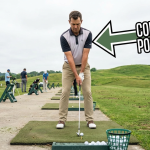
If you want more distance, cleaner ball striking, and better consistency, building core strength is one of the smartest investments you can make in your golf game. A powerful swing doesn’t come from the arms alone. Instead, it starts at the center of your body—your core—which stabilizes your spine, controls your rotation, and creates the foundation for smooth, efficient movement.
Every golfer, from beginners to low-handicappers, benefits from a stronger core. When your midsection is strong, your swing becomes easier to repeat. Because your body moves as one connected system, each part of the swing improves when the core works properly. Stronger rotation, better balance, and fewer compensations all lead to more consistent contact and greater power.
Many players spend years chasing distance without realizing that the missing ingredient is stability. A strong core acts like a steady engine that allows your arms and the club to move freely. As you build core strength golf techniques become easier to control. Additionally, you reduce the risk of lower back pain, one of the most common issues among golfers of all levels.
In this guide, you’ll learn how core strength influences your swing mechanics, discover the essential muscles involved, and explore the best exercises to build power, stability, and control. You’ll also receive a weekly routine that helps you improve faster without overtraining.
Why Core Strength Is Essential for a Better Golf Swing
Your core controls almost every part of your golf swing. It stabilizes your spine, keeps your torso centered, and helps your upper and lower body move in sync. Because the swing is a rotational movement, your core muscles determine how efficiently you create and transfer energy.
A strong core impacts your swing in several key ways. First, it improves your posture at address. Good posture allows your swing to start in a balanced position, which makes your backswing smoother. Second, stronger core muscles help you rotate without swaying. Swaying causes inconsistent ball striking, especially with longer clubs. Third, your core helps you sequence the downswing correctly. When your midsection is stable, your hips initiate the motion naturally. This leads to better timing and more clubhead speed.
Furthermore, core strength protects your back. Golfers often compensate for weak core muscles by putting more stress on the lower back. Over time, this leads to pain or injury. By developing your core, you reduce that strain and increase your longevity in the sport.
Because the core connects your upper and lower body, everything becomes more efficient when it is strong. You’ll notice that your rotation feels smoother, your stamina improves, and your balance remains steady throughout the entire round.
Understanding the Key Muscles That Build Golf Core Strength
Golf requires a 360-degree core, not just surface-level ab muscles. To build core strength golf athletes can rely on, you need to train the muscles that contribute directly to rotational strength, stability, and posture.
Here are the primary muscles involved:
Abdominals: These help maintain posture and support your spine. Strong abs keep your chest from collapsing during your takeaway.
Obliques: These muscles generate rotation. When they are strong, you create more powerful torque and unwind with better control.
Lower Back Muscles: These support your spine and prevent excessive arching. A balanced lower back is essential for maintaining posture throughout the swing.
Glutes: Often overlooked, the glutes stabilize the pelvis and generate explosive power from the ground. They are critical in the transition and downswing.
Deep Core Stabilizers: Muscles like the transverse abdominis and multifidus keep your spine aligned. They activate during nearly every golf movement.
Because these muscles work together, your training must focus on functional movement rather than isolated exercises. When your entire core system becomes strong and coordinated, your swing becomes more consistent and stable.
Daily Drills to Build a Golf-Ready Core
You don’t need long workouts to make progress. Instead, short daily drills can build foundational strength and stability. These drills improve posture, balance, and rotational control.
Planks and Side Planks
Planks are simple yet powerful. They strengthen your deep core muscles, which help stabilize your swing. Hold a forearm plank for 20 to 40 seconds while keeping your spine neutral. Transition into side planks to target your obliques. Side planks are especially useful because they build rotational resistance and help prevent excessive swaying.
Bird Dogs for Balance and Coordination
Bird dogs train your lower back, glutes, and stabilizers. Start on all fours. Extend one arm and the opposite leg. Pause, then switch sides. This teaches your body to maintain posture during movement. As a result, you stay more centered during your backswing.
Glute Bridges for Lower-Body Stability
Glute bridges build stability from the ground up. Lie down, bend your knees, and raise your hips. Squeeze your glutes at the top. Because the glutes play an essential role in powering the swing, this drill builds strength that improves your downswing mechanics.
Adding these drills into your daily routine gives your core a solid foundation. Over time, you’ll notice that your posture and balance begin to feel more natural at setup.
Powerful Core Exercises Designed for Golfers
Once your foundation is steady, it’s time to add exercises that build rotational speed and functional strength. These movements mimic the golf swing and help you generate more power without forcing extra effort.
Russian Twists for Controlled Rotation
Russian twists target the obliques and reinforce your ability to rotate smoothly. Sit on the ground, lean back slightly, and rotate your torso from side to side. Keeping your feet elevated increases the challenge. This exercise teaches your body to rotate without losing balance.
Cable or Resistance Band Rotations
Cable and band rotations simulate your actual swing mechanics. Anchor a band at chest height. Stand in an athletic posture and rotate your torso as you pull the band. Return slowly. Because you control the movement, you build both rotational strength and stability.
Dead Bugs for Stability and Control
Dead bugs strengthen your stabilizers while improving coordination between your upper and lower body. Lie on your back, lift your arms and legs, and lower opposite limbs while maintaining a firm core. This exercise improves sequencing and posture control.
Medicine Ball Rotational Throws
Medicine ball throws build explosive rotational power. Stand sideways to a wall, rotate your torso, and throw the ball into the wall with controlled force. Catch it and repeat. This teaches you to generate speed from your torso rather than your arms.
These exercises bring your training closer to what you need on the course: controlled rotation, power, and stability.
A Smart Training Sequence for Building Golf Core Strength
Training your core in the right order helps you improve faster. Many golfers jump straight to advanced exercises, but building strength in stages creates better long-term results.
Start with stability. Exercises such as planks, dead bugs, and bird dogs strengthen the deep core muscles that protect your spine. Without this stability, power becomes inconsistent.
Next, develop controlled rotation. Russian twists and band rotations teach your body to rotate efficiently without collapsing your posture. Because the swing requires smooth rotation, this stage is essential.
Finally, add rotational power. Medicine ball throws and explosive twists build the speed you need for powerful impact. As your mechanics improve, your clubhead speed increases naturally.
This progression trains your body to move efficiently, safely, and with more power.
Weekly Training Routine for Golf Core Strength
You don’t need long gym sessions to build core strength. Consistency matters more than duration. The following weekly routine balances stability, rotation, and power without overwhelming your schedule.
Monday – Stability Training
Planks
Side planks
Bird dogs
Dead bugs
Wednesday – Rotational Training
Russian twists
Band rotations
Slow, controlled torso rotations
Friday – Power Training
Medicine ball throws
Explosive rotational band pulls
Glute bridges
This routine takes 15 to 25 minutes per session. Because it’s manageable, you’re more likely to stay consistent and build lasting strength.
Mistakes Golfers Make When Training Their Core
Even with the best intentions, golfers often make mistakes when training their core. Understanding these mistakes will help you avoid them and see faster progress.
A common mistake is relying too much on crunches. While they work the abs, they don’t train the rotational movement you need in golf. Another issue is neglecting the glutes. Without strong glutes, your hips can’t rotate properly, which limits your power.
Some golfers also train too aggressively. Because the core supports your spine, poor form or excessive intensity can cause strain. It’s better to train with slow, controlled motions first, then build intensity over time.
Finally, skipping warm-ups can lead to stiffness. Warming up improves mobility and prepares your muscles for rotation. Adding two minutes of stretching before your core workouts helps prevent injury.
Avoiding these mistakes keeps your training productive and safe.
How Core Strength Transforms Your Golf Swing
When you build core strength golf swings become more powerful, more balanced, and more consistent. Your rotation becomes smoother because your hips and torso move together. Additionally, maintaining your posture becomes easier. Instead of losing your spine angle, you stay grounded and centered.
You’ll also generate more swing speed. Stronger core muscles allow your body to sequence the downswing correctly. Instead of swinging with your arms, your entire body works as one coordinated unit. This creates effortless power.
Another key benefit is improved balance. A strong core prevents you from shifting excessively during your backswing, which keeps your swing on plane and reduces mishits. As your balance improves, your confidence grows. You trust your movement, and your results improve.
Over time, these improvements translate into lower scores, less fatigue, and a more enjoyable golf experience.
Conclusion
Building core strength is one of the most effective ways to improve your golf swing. A strong core enhances your posture, rotation, balance, and power. Because golf relies heavily on controlled movement and timing, your core acts as the foundation for every phase of the swing. When you strengthen it with functional, golf-specific exercises, your swing becomes smoother, more powerful, and far more reliable. With consistent training, you’ll notice meaningful improvements both on and off the course.
FAQ
1. How often should I train my golf core?
Two to three sessions per week are enough for steady improvement.
2. Do I need equipment to build golf core strength?
No. Bodyweight exercises are effective. Bands and medicine balls can help but are optional.
3. How long before I see improvements in my swing?
Most golfers notice better posture and balance in two to four weeks.
4. Can core strength increase my distance?
Yes. Stronger core muscles help generate more rotational speed, which increases clubhead speed.
5. Are crunches good for golf?
Crunches have limited benefit. Golfers need a mix of stability, rotation, and power exercises.