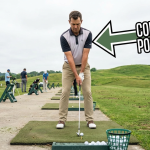
Beginner hip rotation drills are essential for golfers who want to build a powerful and consistent swing from the start. While many new players focus on arms and shoulders, the hips actually drive speed and stability. Therefore, improving hip mobility and sequencing can quickly transform your ball striking.
When hip movement is limited, the body compensates. As a result, you may slice the ball, lose balance, or strain your lower back. However, simple, structured practice can correct these issues. By integrating beginner hip rotation drills into your routine, you create a strong foundation for long-term improvement.
Let’s explore why hip rotation matters and which drills deliver the best results for beginners.
Why Hip Rotation Is Critical in Golf
The golf swing is a rotational movement. Power begins from the ground and flows upward through the hips, torso, and arms.
When hips rotate correctly, they create separation between the lower and upper body. This separation stores energy during the backswing. Consequently, you release more power during the downswing.
Limited rotation often causes sliding instead of turning. Sliding reduces control and makes consistent contact difficult.
Because stability and mobility work together, balanced hip motion improves both accuracy and distance.
Beginner hip rotation drills help train your body to turn efficiently without excessive sway.
Understanding Proper Hip Movement
Before practicing drills, understand how hips should move in the swing.
During the backswing, the trail hip rotates behind you. Meanwhile, your weight shifts slightly to the trail side.
In the downswing, the lead hip begins rotating toward the target. As this happens, your weight transfers smoothly forward.
Proper sequencing ensures power builds naturally. However, forcing rotation too quickly disrupts timing.
Beginner hip rotation drills teach controlled movement rather than aggressive spinning.
Controlled motion builds consistency.
Drill 1: Standing Hip Turn Awareness
This drill builds basic awareness.
Stand in your golf posture without a club. Cross your arms over your chest. Slowly rotate your hips to the right while keeping your upper body stable.
Pause briefly. Then rotate left in a controlled manner.
Focus on turning, not sliding.
Perform 12 to 15 repetitions.
Standing turns are foundational beginner hip rotation drills because they isolate movement.
Improved awareness leads to better sequencing.
Drill 2: Alignment Stick Rotation Drill
Visual feedback improves learning.
Place an alignment stick across your hips. Assume your address position.
Rotate your hips back while keeping the stick level. Then rotate through toward the target.
The stick reveals whether you are turning or swaying.
Start slowly. Gradually increase speed as control improves.
This exercise reinforces rotational mechanics effectively.
Beginner hip rotation drills using visual cues accelerate progress.
Drill 3: Chair Stability Drill
Stability prevents excessive sway.
Position a chair just outside your lead hip. During the downswing, gently rotate your lead hip toward the chair without sliding past it.
The goal is controlled rotation combined with weight transfer.
If you slide too far, the chair provides instant feedback.
This drill strengthens lower-body awareness.
Many beginner hip rotation drills focus on preventing lateral movement because balance matters.
Controlled rotation improves strike consistency.
Drill 4: Resistance Band Rotations
Strength and mobility should develop together.
Attach a resistance band to a sturdy object. Hold it at chest height and assume your golf posture.
Rotate your hips against the band’s resistance while keeping your arms steady.
Resistance activates core and hip muscles simultaneously.
Perform two sets of 10 controlled rotations.
Resistance-based beginner hip rotation drills enhance both power and control.
Gradual strengthening improves swing stability.
Drill 5: Step-Through Drill
Dynamic drills build rhythm.
Start in your address position. Make a backswing. As you begin the downswing, step your trail foot forward toward the target.
This motion exaggerates weight transfer and rotation.
Because movement becomes fluid, sequencing improves naturally.
Step-through exercises are effective beginner hip rotation drills for developing tempo.
Controlled steps reinforce smooth transitions.
Drill 6: Seated Hip Mobility Stretch
Mobility underpins rotation.
Sit on the floor with knees bent. Rotate both knees to one side while keeping your torso upright.
Hold for 20 seconds. Then switch sides.
This stretch improves internal and external hip rotation.
Flexible hips move more freely during swings.
Mobility work complements technical beginner hip rotation drills effectively.
Avoiding Common Rotation Mistakes
Forcing rotation creates tension.
Beginner hip rotation drills should emphasize control rather than speed.
Avoid spinning your hips aggressively at the start of the downswing.
Maintain posture throughout movement.
Focus on gradual improvement instead of immediate power gains.
Balanced progress prevents injury.
Integrating Drills into Full Swings
After mastering drills, apply rotation to actual swings.
Start with half-speed swings. Concentrate on hip initiation.
Gradually increase tempo while maintaining balance.
Beginner hip rotation drills prepare your body for consistent full swings.
Smooth integration enhances performance.
How Often Should Beginners Practice?
Consistency drives improvement.
Practice beginner hip rotation drills three to four times weekly.
Short sessions of 10–15 minutes work well.
Combine mobility and strength exercises.
Regular repetition builds muscle memory.
Steady practice produces noticeable gains within weeks.
Benefits Beyond Power
Improved hip rotation enhances more than distance.
It increases balance during follow-through.
It reduces lower-back strain.
It improves overall coordination.
When hips function properly, the entire swing feels smoother.
Beginner hip rotation drills support long-term development.
Tracking Your Progress
Measure improvement objectively.
Record your swing occasionally to monitor rotation depth.
Notice whether balance improves at finish.
Track ball flight consistency during practice.
Small changes compound over time.
Improvement becomes clear with repetition.
Conclusion: Build Power from the Ground Up
Beginner hip rotation drills lay the foundation for a powerful and consistent golf swing. Because the hips drive rotation and stability, improving their function enhances every aspect of your game.
Start with awareness drills. Add resistance and dynamic movements gradually.
Practice consistently and integrate drills into full swings.
Controlled hip movement reduces strain and improves balance.
With steady effort, you will rotate more efficiently, strike the ball more consistently, and build lasting confidence in your swing.
FAQ
- How long does it take to improve hip rotation?
Most beginners notice mobility gains within two to four weeks of consistent practice. - Can poor hip rotation cause slicing?
Yes. Limited rotation often forces compensations that lead to inconsistent ball flight. - Should I stretch before or after practicing drills?
Dynamic stretches before and static stretches after sessions work best. - Are resistance bands necessary?
No, but they enhance strength and control during rotational exercises. - How do I know if my rotation is improving?
Improved balance, smoother tempo, and more consistent ball contact indicate progress.