If you’re new to golf, bad shots can feel personal. One swing goes wrong, and suddenly frustration creeps in. Your shoulders tense. Your thoughts race. The rest of the hole feels ruined before it even starts. Learning how to recover after a bad shot is one of the most important skills beginner golfers can develop.
Golf is not a game of perfection. It’s a game of response. Even professional golfers hit poor shots. What separates improving golfers from frustrated ones is not how often mistakes happen, but how quickly they recover from them.
Think of a bad shot like a speed bump, not a roadblock. If you slow down, stay balanced, and keep moving forward, it barely affects the journey. In this guide, you’ll learn practical ways to recover after a bad shot, reset your mindset, and approach the next swing with clarity and confidence.
Why Bad Shots Feel Worse for Beginners
Bad shots hit beginners harder because expectations and reality collide.
When you’re new, every swing feels important. You want proof that you’re improving. So when a shot slices, tops, or chunks, it feels like failure instead of feedback.
Additionally, beginners often lack emotional routines. Without a plan to recover after a bad shot, frustration lingers longer than it should.
Golf exposes mistakes in public, which can amplify embarrassment. Playing partners, slow groups behind you, or unfamiliar courses all add pressure.
Understanding that bad shots are normal is the first step toward controlling their impact.
Why Learning to Recover After a Bad Shot Matters
Recovery skills protect your entire round.
One poor swing does not ruin a hole. However, letting frustration spill into the next shot often does.
When you recover after a bad shot effectively, you preserve focus, reduce tension, and maintain rhythm. Over time, this skill improves scores more than swing changes.
For beginners, recovery builds emotional resilience. It keeps golf enjoyable instead of stressful.
Most importantly, learning recovery early prevents bad habits from forming.
The First Rule: Accept the Shot Immediately
The moment the ball leaves the clubface, the shot is over.
There is nothing you can do to change it. Yet many beginners replay the mistake repeatedly in their minds.
Acceptance doesn’t mean approval. It means acknowledgment.
A simple phrase like “That’s done” or “Next shot” helps close the mental loop.
Recovering after a bad shot starts with letting it exist without judgment.
Control Your Body Before Your Thoughts
Emotions live in the body first.
After a bad shot, beginners often tighten their grip, clench their jaw, or rush forward. These physical reactions keep frustration alive.
Pause. Take one slow breath in through your nose. Exhale longer than you inhale.
Drop your shoulders. Relax your hands.
When your body settles, your mind follows.
This physical reset is one of the fastest ways to recover after a bad shot.
Avoid the Urge to Fix Everything at Once
A common beginner mistake is turning one bad shot into a full swing rebuild.
You hit it poorly, so you start adjusting grip, stance, takeaway, and tempo all at once.
This creates confusion and tension.
Instead, trust your process. One swing does not define your technique.
Recovery means returning to simplicity, not adding complexity.
Shift Focus to the Next Task
Golf is a game of tasks, not emotions.
After a bad shot, redirect your attention to something neutral and specific.
Think about distance to the ball. Notice the lie. Choose a safe target.
By focusing on the next decision, you naturally recover after a bad shot without overthinking.
Tasks ground you in the present moment.
Choose the Smartest Next Shot
Beginners often try to “make up” for a bad shot with a risky one.
This usually compounds the mistake.
Instead, recovery means choosing the highest-percentage option available.
Aim for safety, not heroics. Put the ball back in play. Advance it comfortably.
Smart decisions rebuild confidence faster than aggressive ones.
Use a Simple Reset Routine
Routines create emotional stability.
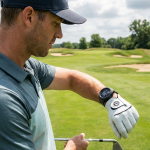
After a bad shot, walk with intention. Count your steps. Adjust your glove. Clean your club.
These small actions signal a reset to your brain.
The same routine used after good shots should be used after bad ones.
Consistency is calming.
Separate Identity from Performance
This distinction is crucial for beginners.
A bad shot does not mean you are bad at golf. It means you hit a bad shot.
Golf performance fluctuates. Identity should not.
When you detach self-worth from outcomes, recovery becomes easier and faster.
You are learning. Mistakes are part of that process.
Reframe the Bad Shot as Information
Every shot provides feedback.
Instead of labeling it as failure, view it as information.
Was your balance off? Did you rush tempo? Was alignment unclear?
One observation is enough. Then move on.
This mindset turns frustration into curiosity, which supports recovery.
Why Tempo Is the First Thing to Fix After a Bad Shot
When beginners get frustrated, tempo speeds up.
Fast swings increase tension and reduce control.
After a bad shot, consciously slow your next swing.
A smoother tempo improves contact and restores rhythm.
Often, better results return immediately.
Tempo is the fastest lever you can pull.
How Walking Between Shots Affects Recovery
Walking is part of recovery.
Rushing keeps emotions active. Calm walking slows the nervous system.
Breathe naturally as you walk. Look at the surroundings. Reset posture.
This time between shots is not wasted. It’s recovery space.
Use it intentionally.
Avoid Negative Self-Talk
What you say to yourself matters.
Phrases like “I always do this” or “I’m terrible” deepen frustration.
Replace them with neutral language.
Try “That didn’t work” or “I’ll adjust.”
Neutral thoughts support faster recovery after a bad shot.
Why Even Pros Hit Bad Shots
Watching professionals can distort expectations.
What you don’t see is how often they miss and how quickly they recover.
Professionals accept mistakes instantly and commit fully to the next shot.
They don’t dwell. They reset.
Beginners who adopt this mindset progress faster.
Building Emotional Endurance Over Time
Recovery is a skill, not a personality trait.
The more rounds you play, the easier it becomes.
Each bad shot becomes less shocking and less emotional.
With experience, recovery becomes automatic.
Patience accelerates this process.
How Practice Helps On-Course Recovery
Practice isn’t just about mechanics.
Use practice sessions to rehearse recovery.
Hit intentional poor shots. Then practice resetting.
This trains emotional control alongside technique.
Recovery improves when it’s practiced, not improvised.
Why One Bad Hole Doesn’t Ruin the Round
Beginners often judge rounds too early.
One bad hole feels like a disaster.
In reality, rounds are long. Momentum shifts.
Recovery keeps future holes productive.
The round is never over until it’s over.
The Confidence Loop
Good recovery builds confidence.
Confidence leads to relaxed swings.
Relaxed swings lead to better shots.
Better shots reinforce recovery.
This loop starts with letting go of one bad shot.
Conclusion
Learning how to recover after a bad shot is one of the most valuable skills a beginner golfer can develop. Bad shots are inevitable. Poor recovery is optional.
By accepting the shot, calming your body, refocusing on the next task, and choosing smart decisions, you protect your confidence and your enjoyment of the game.
Golf rewards patience and resilience. Every recovery is progress, even when the shot wasn’t perfect. Stay present, stay calm, and let the next swing be just another opportunity to learn.
FAQ
1. Why do bad shots affect beginners so much?
Beginners often tie self-worth to performance and lack recovery routines.
2. How long should it take to recover after a bad shot?
Ideally, recovery should happen before the next swing, not the next hole.
3. Should beginners change their swing after a bad shot?
No, it’s better to stick to your routine and focus on tempo and balance.
4. What is the fastest way to recover mentally after a bad shot?
Slow breathing, relaxed posture, and shifting focus to the next task.
5. Do bad shots ever stop happening in golf?
No, but emotional recovery becomes faster with experience.