IntroductionWhy the Mental Game Matters in Golf
Golf is 90% mental and 10% everything else. Ever striped it at the range and then totally lost it on the course? Yeah—that’s your mental game. It’s the difference between panicking over a three-footer and draining it with confidence. And the best part? Your mind is trainable. That’s where golf mental books come in—they’re your shortcut to clarity, focus, and a calmer game.
How Books Can Be Your Secret Weapon
You don’t need a personal sports psychologist to build a rock-solid mental game. Golf mental books are like having a calm, wise coach in your back pocket—one that never yells, doesn’t cost a fortune, and is always available on your nightstand or headphones.
What is the Mental Game in Golf?
Focus, Confidence, and Emotional Control
The mental game is about keeping your head in the right place when the stakes are high—or when you’re facing a brutal bunker shot.
Managing Pressure and Staying Present
It’s learning how to stay calm when your buddies are watching, the wind is gusting, or your scorecard is wrecked. Great mental golfers stay present, not perfect.
Mental Game vs. Physical Skill
You can have the best swing on Earth, but if your brain freaks out every time you grab the driver, you’re toast. Books teach you how to master the six inches between your ears.
What to Look for in a Mental Game Book
Beginner-Friendly Language and Concepts
Skip the dense psychological texts. You want books written in everyday language that feels like you’re talking with a coach—not a professor.
Practical Tools Over Theory
The best books give you actual techniques to use on the course: routines, visualizations, breathing tips, mindset shifts—not just abstract ideas.
Real-World Golf Examples
Look for books packed with stories about real players dealing with nerves, frustration, and comebacks. They’re not just entertaining—they help stuff stick.
Top 10 Best Golf Mental Game Books for Beginners
1. Golf is Not a Game of Perfect – Dr. Bob Rotella
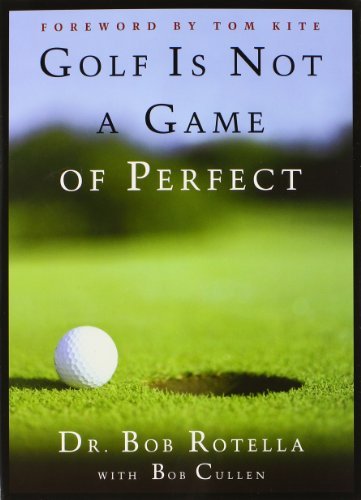
The granddaddy of them all. This classic teaches you that golf is about commitment, confidence, and accepting imperfection. It’s the first book every beginner should read.
2. Zen Golf – Dr. Joseph Parent
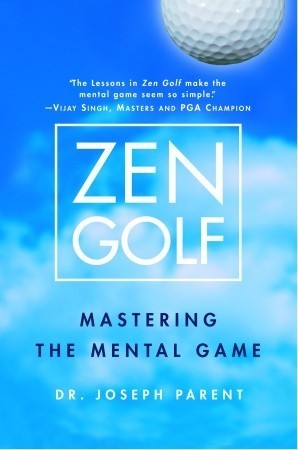
Want to bring some calm to your chaos? Zen Golf blends mindfulness with on-course strategy. It’s relaxing, practical, and powerful.
3. The Inner Game of Golf – W. Timothy Gallwey
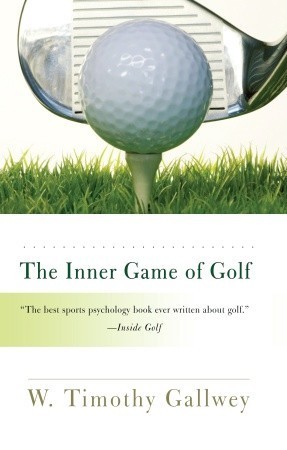
The mental game starts with awareness. Gallwey breaks down how to quiet your mind, trust your swing, and get out of your own way.
4. Fearless Golf – Dr. Gio Valiante
This one’s all about confidence. It digs into the science behind fear and how you can play boldly, even under pressure.
5. Golf Flow – Dr. Gio Valiante
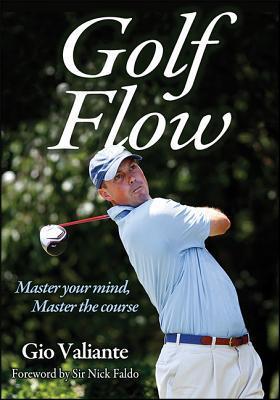
Flow state? That zone where time disappears and golf feels effortless? This book shows you how to tap into it more often.
6. Be a Player – Pia Nilsson & Lynn Marriott
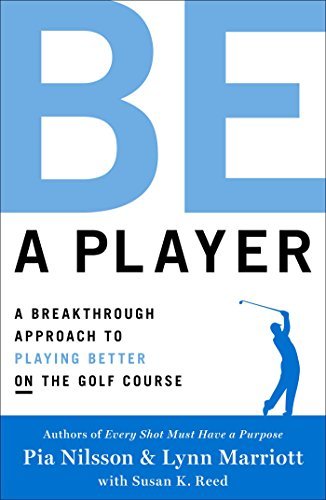
Practical, hands-on, and especially great for female golfers. It teaches you how to think like a player and play like a thinker.
7. The Mental Game of Golf – Dr. Patrick J. Cohn
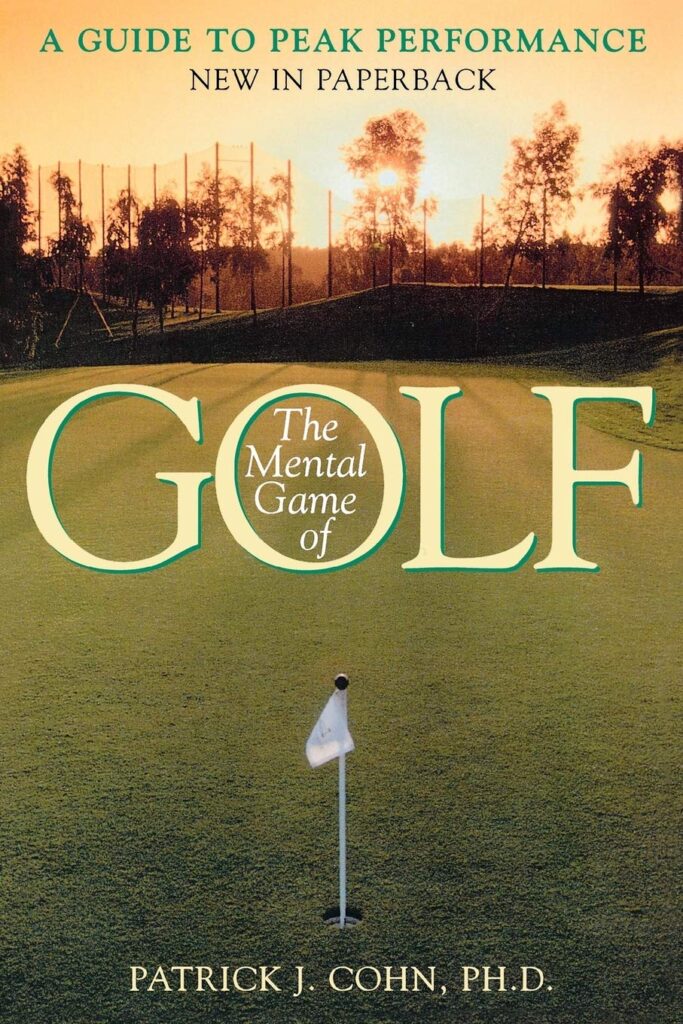
Easy to digest and full of practical drills. A great intro to visualization, breathing techniques, and building routines.
8. Your 15th Club – Dr. Bob Rotella
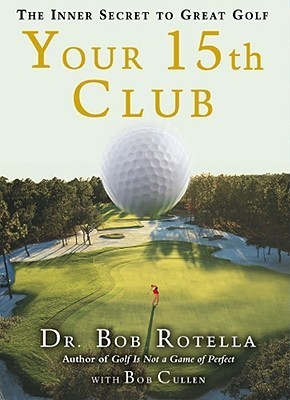
Your 15th club is your mind. This book dives deeper than “Golf is Not a Game of Perfect” and gives real tools to trust yourself under pressure.
9. Mind Gym – Gary Mack
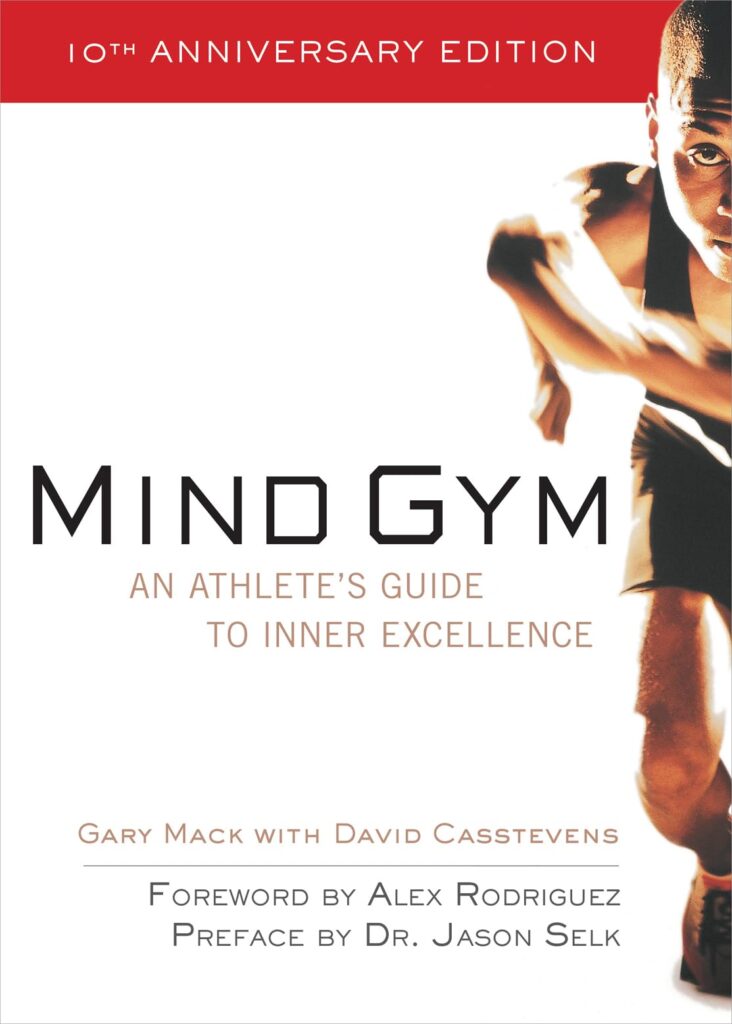
Not just for golfers—but totally applicable. Learn mental toughness across sports, then bring that grit to the first tee.
10. Every Shot Must Have a Purpose – Pia Nilsson & Lynn Marriott
This one’s all about intention. It teaches you to stop hitting shots and start making decisions. Game-changer.
Quick Comparison Chart of Top Picks
| Book Title | Author(s) | Focus Area | Best For | Tone |
| Golf is Not a Game of Perfect | Dr. Bob Rotella | Confidence & Acceptance | All Beginners | Inspirational |
| Zen Golf | Dr. Joseph Parent | Mindfulness | Calm-Minded Players | Relaxed |
| The Inner Game of Golf | W. Timothy Gallwey | Awareness & Focus | Overthinkers | Philosophical |
| Fearless Golf | Dr. Gio Valiante | Confidence Under Fire | Competitive Beginners | Motivational |
| Golf Flow | Dr. Gio Valiante | Flow State | Intermediate Growth | Scientific |
| Be a Player | Nilsson & Marriott | Strategic Thinking | Female Beginners | Practical |
| The Mental Game of Golf | Dr. Patrick Cohn | Pre-Shot & Routines | First-Timers | Tactical |
| Your 15th Club | Dr. Bob Rotella | Pressure Play | High Expectations | Honest |
| Mind Gym | Gary Mack | Cross-Sport Mentality | Multi-Sport Athletes | Tough Love |
| Every Shot Must Have a Purpose | Nilsson & Marriott | Intentional Focus | Strategic Learners | Game Smart |
Core Themes These Books Have in Common
Letting Go of Perfection
Golf is messy. Even pros miss fairways. These books teach you to aim for excellence, not flawlessness.
Staying in the Present Moment
The next shot is always more important than the last one. Keep your mind where your feet are.
Embracing Mistakes as Part of Learning
You’re gonna hit bad shots. Learn from them. Laugh at them. Then flush your next one.
How Reading Mental Game Books Helps Beginners
Builds Confidence in Pressure Situations
You stop seeing pressure as scary and start seeing it as an opportunity. That’s a massive mindset shift.
Helps You Develop a Pre-Shot Routine
Routine = rhythm = confidence. These books show you how to build rituals that ground you before each swing.
Creates a Mindset for Long-Term Growth
Instead of chasing quick fixes, you start thinking like a real player—someone who’s in this game for the long haul.
Applying Mental Game Lessons on the Course
Visualization and Breathing Techniques
Picture your shot before you swing. Breathe deep to reset. These micro-habits = macro results.
Handling Bad Shots Without Meltdown
You miss. So what? Accept it, adjust, and move on. That’s mental toughness.
Staying Committed to Each Swing
No half-swings. No doubts. Pick your target, trust your swing, and go all in.
Mistakes Beginners Make With the Mental Game
Overthinking Every Shot
Golf isn’t chess. Too much thinking leads to tension and disaster. Keep it simple.
Getting Stuck in Results Instead of Process
Focusing on your scorecard leads to fear. Focus on your next shot, not your total score.
Letting One Bad Hole Ruin a Round
Everyone has a blow-up hole. Learn to let it go and bounce back strong.
When to Start Focusing on the Mental Game
Right from the First Swing
The sooner, the better. Your mind is your most powerful tool—why wait to sharpen it?
Why It’s More Important Than Perfect Mechanics
You can’t control the wind, the bounce, or the pressure. But you can control your thoughts and reactions.
Bonus: Best Audiobooks for Mental Game Learning
Books Available on Audible or Spotify
- Golf is Not a Game of Perfect (Narrated by Bob Rotella)
- Zen Golf (Beautifully paced and calming)
- Fearless Golf (Powerful on your drive to the course)
Best Narrated Versions for Easy Listening
Look for authors who read their own work—it adds authenticity. Or try sample clips before committing.
Tips for Getting the Most Out of Golf Mental Books
Read Slowly and Apply Concepts Weekly
Don’t binge. Digest a chapter, try it out, see how it feels on the course.
Journal Your Takeaways After Each Chapter
Write down one “aha moment” per reading. It helps the lesson sink in.
Practice What You Learn on the Range and Course
Reading won’t help unless you apply. Make mental training part of your practice, not an afterthought.
Conclusion
If you’re just getting into golf, don’t ignore your most powerful club—your mind. The best golf mental game books for beginners are more than just words on a page. They’re cheat codes for confidence, clarity, and consistency. Whether you’re reading Rotella in your hammock or listening to Zen Golf on your morning commute, these books will change how you play—and how you think. Golf isn’t about being perfect. It’s about being present. Start there, and you’re already ahead.
FAQs
1. Do mental game books really help beginners improve?
Absolutely. They provide clarity, reduce anxiety, and give you tools to stay focused and confident—even when your swing isn’t perfect.
2. Which mental skill should I work on first?
Start with staying present and letting go of bad shots. Master that, and the rest becomes way easier.
3. Can I learn the mental game without a coach?
100%. Books and self-awareness are powerful teachers. A coach helps, but isn’t required to build a strong mental game.
4. What’s better—reading or listening to audiobooks?
Whichever format helps you absorb the info best. Audiobooks are great for busy people; print books are better for highlighting and journaling.
5. How long does it take to improve my golf mindset?
It’s a lifelong journey—but you’ll start noticing changes after just one book, one round, one swing made with a calm, focused mind.