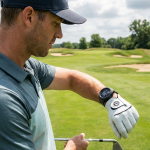
Choosing the best golf apparel for cold weather is essential if you plan to play through fall and winter. Beginners often assume that simply wearing a heavy jacket will solve the problem. However, bulky clothing restricts your swing and reduces flexibility.
Cold air tightens muscles and slows reaction time. Therefore, proper layering keeps you warm while preserving mobility. In this guide, you’ll learn what to wear, how to layer effectively, and which fabrics perform best in chilly conditions.
With the right gear, you can stay comfortable and maintain swing consistency—even when temperatures drop.
Why Cold Weather Clothing Matters for Beginners
Cold temperatures affect more than comfort. They directly influence performance.
When your body feels cold:
- Muscles stiffen
- Swing speed decreases
- Grip pressure increases
- Focus drops
Because beginners already work on swing fundamentals, extra discomfort makes improvement harder. Therefore, investing in the best golf apparel for cold weather supports both comfort and skill development.
Additionally, warm muscles move more efficiently. As a result, you reduce injury risk during practice and play.
The Layering System Every Beginner Should Follow
Layering works better than wearing one thick garment. Each layer serves a purpose.
Base Layer: Moisture Control
The base layer sits directly against your skin. Its job is to wick sweat away.
Choose thermal compression shirts made from polyester blends or merino wool. Avoid cotton, since it traps moisture and feels cold when wet.
Because golf involves walking and movement, even winter rounds generate sweat. A proper base layer keeps you dry and warm.
Mid Layer: Insulation
The mid layer traps body heat. Lightweight fleece or insulated pullovers work well.
Look for stretch fabric to maintain shoulder mobility. While warmth matters, flexibility matters more.
Outer Layer: Weather Protection
The outer layer shields you from wind and rain. Choose windproof, water-resistant jackets with stretch panels.
Many brands design golf-specific outerwear with swing-friendly cuts. Consequently, your rotation stays unrestricted.
When combined properly, these layers create the best golf apparel for cold weather setup.
Best Tops for Cold Weather Golf
Upper-body warmth plays the biggest role in comfort.
Thermal Compression Shirts
These form-fitting tops retain heat while allowing full movement. Because they reduce muscle vibration, they may also improve stability.
Lightweight Quarter-Zips
Quarter-zips provide easy temperature control. If the sun appears, you can adjust ventilation quickly.
Insulated Golf Jackets
Choose slim-fit jackets with stretch panels. Avoid bulky winter coats, as they limit rotation.
For beginners, investing in flexible outerwear is essential when building the best golf apparel for cold weather wardrobe.
Cold Weather Golf Pants and Bottom Layers
Lower-body warmth supports balance and stability.
Thermal Leggings
Wear thin thermal leggings under golf pants for extra insulation. They trap warmth without adding bulk.
Winter Golf Pants
Many brands offer fleece-lined golf pants. These provide warmth while maintaining a tailored fit.
Avoid heavy denim or thick fabrics that restrict hip movement.
Because the golf swing relies on lower-body rotation, comfort below the waist matters just as much as upper-body layering.
Best Fabrics for Cold Conditions
Understanding materials helps you choose wisely.
Merino Wool
Merino wool regulates temperature naturally. It keeps you warm while remaining breathable.
Polyester Thermal Blends
These fabrics wick moisture efficiently and dry quickly.
Softshell Materials
Softshell jackets block wind while allowing stretch.
When selecting the best golf apparel for cold weather, prioritize lightweight warmth over bulk.
Cold Weather Golf Accessories
Small accessories make a big difference in winter comfort.
Winter Golf Gloves
Cold hands reduce grip control. Insulated gloves improve feel and stability.
Thermal Beanies or Caps
Headwear retains body heat. Choose breathable options that fit comfortably under your hood or jacket.
Hand Warmers
Disposable hand warmers keep fingers flexible between shots.
Thermal Socks
Thick, moisture-wicking socks prevent numb toes and blisters.
Because extremities lose heat quickly, these additions complete your cold-weather setup.
Maintaining Flexibility in Cold Weather
Even with proper clothing, warm-up matters.
Before teeing off:
- Perform torso rotations
- Do arm circles
- Practice slow swings
- Stretch your hips
Cold muscles require extra preparation. Therefore, combine stretching with the best golf apparel for cold weather to maximize performance.
Common Beginner Mistakes in Winter Golf
Avoid these mistakes:
Wearing oversized jackets.
Skipping base layers.
Ignoring wind protection.
Wearing cotton socks.
Overdressing without breathability.
Each mistake reduces comfort and flexibility.
Instead, focus on breathable, layered systems designed for movement.
Budget vs. Premium Winter Gear
Beginners often ask if expensive winter gear is necessary.
Premium brands may offer advanced insulation technology. However, mid-range options often perform well.
Prioritize stretch, moisture control, and wind resistance. Brand name matters less than functionality.
With smart shopping, you can build the best golf apparel for cold weather without overspending.
How Cold Weather Apparel Improves Performance
Comfort influences swing quality.
When properly dressed:
- Tempo remains steady
- Grip stays relaxed
- Balance improves
- Fatigue decreases
Because beginners are still developing rhythm, reducing physical distractions accelerates progress.
Over time, comfortable winter rounds build confidence in all conditions.
Building a Beginner Cold Weather Wardrobe
Start with these essentials:
- 2 thermal base layers
- 1 insulated mid-layer pullover
- 1 windproof golf jacket
- Winter golf pants
- Thermal gloves and hat
- Moisture-wicking socks
With these pieces, you create a reliable cold-weather setup.
As your game grows, expand gradually.
Investing in the best golf apparel for cold weather ensures comfort throughout fall and winter seasons.
Hydration and Energy in Cold Rounds
Cold weather reduces thirst signals. However, hydration still matters.
Drink water regularly. Additionally, eat light snacks to maintain energy.
Proper clothing and hydration work together to support endurance.
Conclusion: Stay Warm, Swing Better
Cold temperatures should not stop you from playing.
The best golf apparel for cold weather combines layering, flexibility, and protection. Beginners who dress properly maintain comfort and confidence throughout winter rounds.
Choose breathable base layers. Add lightweight insulation. Finish with windproof protection.
Most importantly, prioritize movement over bulk.
When you stay warm without restricting your swing, performance naturally improves—even on the coldest days.
FAQ
1. Can beginners play golf comfortably in winter?
Yes. With proper layering and flexible outerwear, cold rounds remain enjoyable.
2. What is the most important winter golf layer?
The base layer matters most because it controls moisture and traps heat.
3. Are heavy winter coats good for golf?
No. Bulky coats restrict rotation and affect swing mechanics.
4. How do I keep my hands warm while golfing?
Wear insulated golf gloves and use hand warmers between shots.
5. Do I need special winter golf shoes?
Water-resistant shoes help keep feet dry and comfortable during cold, damp rounds.